

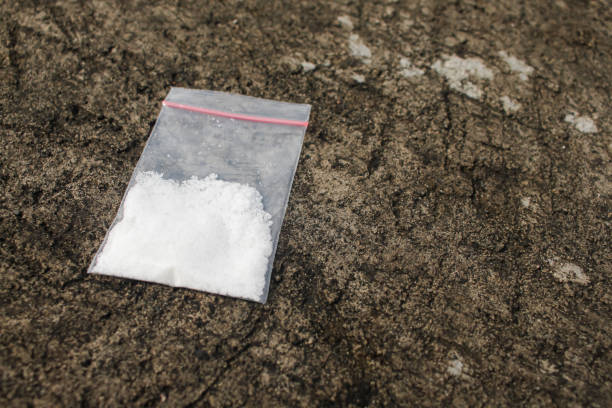
Yellow cocaine is a term that may be used to describe cocaine powder with a yellowish or cream-colored appearance. Although cocaine is commonly associated with a white powder, illicit substances can vary in color, texture, and consistency. These visual differences often raise questions about the substance’s composition, purity, origin, and potential health effects. Explore the addiction concerns associated with searches related to buy cocaine.
However, color alone cannot establish whether a substance contains cocaine or determine its strength. A yellow powder may contain impurities, added substances, or entirely different compounds. Understanding the possible explanations for its appearance and the risks associated with unknown drug mixtures is essential for making informed health decisions. Explore the health concerns associated with unregulated markets linked to buy cocaine online.
What Is Yellow Cocaine
Yellow cocaine is not a standardized chemical classification or a recognized guarantee of a particular type of cocaine. Instead, the term may be used informally to describe powder that appears yellow, cream-colored, or otherwise different from the commonly expected white appearance.
Cocaine is a powerful stimulant that affects the central nervous system. Illicitly distributed cocaine powder may vary considerably in composition because it is not produced and distributed under consistent quality-control standards.
Consequently, a substance described as yellow cocaine cannot be reliably identified through its name or appearance. The description does not establish its chemical identity, geographic origin, or potential effects on the human body.
Why Does Cocaine Powder Sometimes Appear Yellow
Several factors may explain why a powder marketed as cocaine has a yellowish appearance. These possibilities do not necessarily indicate that cocaine is present.
Impurities and Residual Materials
Differences in processing, storage, and contamination can influence the appearance of illicit powders. Residual materials or other substances may contribute to a cream-colored or yellowish appearance. Research the risks of unknown drug mixtures associated with buy peruvian pink cocaine.
Nevertheless, visual inspection cannot determine which impurities are present or whether a sample is more or less dangerous than another sample.
Added Substances
Illicit drug supplies may contain cutting agents, fillers, or other compounds. Some substances can affect the color, texture, or consistency of a powder.
The identity and concentration of these additional ingredients may be unknown. As a result, a yellow appearance should not be interpreted as evidence of a particular formulation. Research the uncertainty surrounding the composition of yellow cocaine.
Storage and Environmental Conditions
Exposure to environmental conditions or contamination during handling and storage may affect a substance’s physical characteristics. However, discoloration alone cannot establish what chemical changes have occurred or whether the substance has deteriorated.
A yellowish appearance is therefore not a dependable indicator of age, freshness, purity, or potency. Explore how online scams can target people searching for buy amphetamine online.
Understanding the Possible Composition
Cocaine is a stimulant that acts primarily by interfering with the reuptake of certain neurotransmitters, including dopamine. This mechanism can produce temporary changes in alertness, mood, and energy.
A powder described as yellow cocaine may contain cocaine, other substances, or an unpredictable combination of compounds. Without appropriate chemical analysis, its actual composition cannot be established reliably.
This uncertainty matters because different substances can produce different physiological effects and may require different medical responses. Some contaminants may introduce additional risks, including unexpected toxicity or dangerous interactions. Research why appearance and informal names cannot establish the contents of lavada cocaine.
Even when laboratory testing identifies cocaine in a sample, that result does not automatically establish that the substance is safe or that its effects can be predicted accurately.
Short-Term Health Effects
When cocaine is present, its stimulant effects can affect several body systems. Potential short-term effects include: Research the psychological effects that may occur with cocaine powder.
- Increased heart rate and blood pressure
- Reduced appetite
- Restlessness and agitation
- Anxiety, irritability, or panic
- Increased body temperature
- Difficulty sleeping
- Dilated pupils
The severity of these effects can vary depending on the substance’s composition, the amount of exposure, individual health factors, and whether other drugs or medications are involved. Explore why visual characteristics are not a reliable safety indicator for fishscale cocaine.
Unknown ingredients may cause additional effects that are not typical of cocaine alone, making the overall response difficult to predict.
Cardiovascular and Neurological Risks
One of the most serious dangers associated with cocaine is the strain it places on the cardiovascular system. Cocaine can constrict blood vessels and increase the workload of the heart. Explore the legal considerations associated with buy peruvian cocaine queries.
These effects can contribute to irregular heart rhythms, heart attacks, and strokes. Serious complications may occur even in people who do not have a previously diagnosed heart condition.
Cocaine can also affect the nervous system. Potential complications include seizures, severe agitation, confusion, and other neurological emergencies.
When a substance has an unknown composition, the risk assessment becomes more difficult because additional ingredients may intensify or alter its effects.
Addiction and Long-Term Health Concerns
Repeated cocaine use can contribute to dependence and addiction. Its effects on the brain’s reward pathways may reinforce repeated use, eventually making it difficult for some individuals to control their consumption.
Long-term concerns may include cardiovascular problems, persistent sleep disturbances, anxiety, mood changes, and difficulties with concentration and everyday functioning.
Substance use can also affect personal relationships, employment, financial stability, and overall quality of life.
People experiencing cravings or difficulty stopping cocaine use can seek help from a qualified healthcare professional, addiction specialist, or local substance-use treatment service. Professional support can help address both substance use and related psychological or social challenges.
Why Appearance Is Not a Reliable Safety Indicator
A common misconception is that the color or texture of a drug can reveal its quality. In reality, visual characteristics cannot reliably establish a substance’s identity, purity, potency, or toxicity.
A yellowish powder is not necessarily stronger, weaker, purer, or more contaminated than a white powder. Similarly, a uniform appearance does not demonstrate that a substance contains only one ingredient.
Chemical analysis may help identify substances in a sample, but even testing cannot guarantee that an unknown drug mixture is safe to consume.
The safest approach is not to rely on appearance, informal descriptions, or seller claims when assessing an unknown substance.
Recognizing a Medical Emergency
Cocaine exposure can cause life-threatening complications. Symptoms that require immediate medical attention include severe chest pain, difficulty breathing, seizures, loss of consciousness, extreme confusion, and dangerously elevated body temperature.
If these symptoms occur, contact local emergency services immediately. Do not leave an unconscious person alone or give them food, drinks, or other substances if they cannot swallow safely.
Tell medical professionals what is known about the exposure, including any suspected substances. Accurate information can help them provide appropriate treatment.
Conclusion
Yellow cocaine is an informal description based on appearance rather than a reliable chemical classification. A yellowish powder may reflect impurities, added substances, contamination, or other factors, but its color cannot establish its composition or safety.
The potential presence of cocaine introduces serious risks, including cardiovascular complications, neurological emergencies, and addiction. Unknown ingredients can create additional dangers and make the effects difficult to predict. Explore the addiction concerns associated with substances discussed under buy crack cocaine online.
Understanding these risks is important for recognizing misleading claims about illicit substances, identifying medical warning signs, and seeking professional assistance when needed.
