

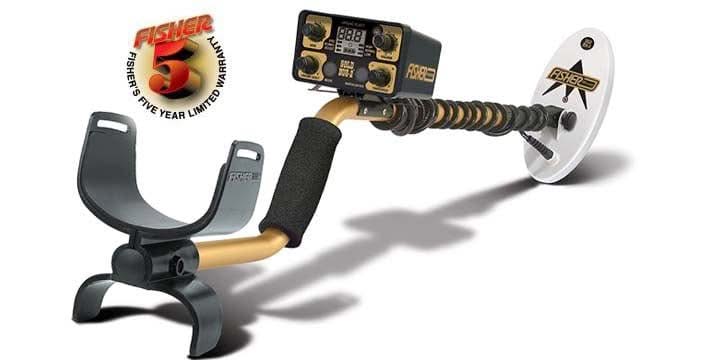
Using a gold detector effectively is both a skill and an art. While modern gold detectors are equipped with advanced technology, achieving the best results depends on proper setup, correct techniques, and an understanding of how gold behaves underground. Whether you are a beginner or an experienced prospector, following the right steps can significantly increase your chances of finding gold.
This step-by-step guide explains how to use a gold detector correctly and efficiently in real-world conditions.
Step 1: Understand Your Gold Detector
Before heading into the field, take time to familiarize yourself with your gold detector.
- Read the user manual carefully
- Learn the functions of each control and setting
- Understand audio tones and visual indicators
Knowing how your detector works prevents mistakes and improves performance during detection.
Step 2: Choose the Right Location
Selecting the right location is crucial for success.
- Research known gold-bearing areas
- Focus on old mining sites, riverbeds, and dry washes
- Look for geological signs such as quartz veins and iron-rich rocks
Detecting in areas with a history of gold increases your chances of finding valuable targets. The user-friendly interface of each gold detector highlighted on this site makes it ideal for beginners.
Step 3: Assemble and Inspect the Detector
Before turning on your detector:
- Secure the search coil firmly
- Adjust the shaft length for comfort
- Check batteries or ensure full charge
- Inspect cables and connections
Proper assembly ensures stable performance and accurate readings.
Step 4: Set Up Ground Balance Correctly
Ground balance is one of the most important steps in gold detection.
- Use automatic ground balance if available
- Manually adjust ground balance in mineralized soil
- Rebalance regularly as soil conditions change
Correct ground balance reduces false signals and improves accuracy.
Step 5: Adjust Sensitivity and Threshold
Sensitivity determines how responsive the detector is to gold.
- Increase sensitivity for small gold
- Reduce sensitivity if the detector becomes unstable
- Set the threshold to a soft, steady hum
Balanced sensitivity improves detection while minimizing noise.
Step 6: Select the Appropriate Search Mode
Most gold detectors offer multiple search modes.
- Use gold or prospecting mode for natural gold
- Use all-metal mode for maximum depth
- Avoid heavy discrimination when prospecting
Selecting the correct mode helps detect even faint gold signals.
Step 7: Use Proper Swing Technique
How you move the detector affects detection success.
- Keep the coil close to the ground
- Swing slowly and evenly
- Overlap each swing slightly
- Maintain a consistent height
Slow and controlled swings allow the detector to identify weak signals.
Step 8: Listen Carefully to Signals
Gold often produces faint or irregular signals.
- Pay attention to subtle changes in sound
- Investigate repeatable signals
- Do not ignore weak signals
Many valuable gold finds start as very faint tones.
Step 9: Pinpoint the Target Accurately
Once a signal is detected:
- Use pinpoint mode if available
- Shorten your swings to locate the center
- Mark the exact spot before digging
Accurate pinpointing reduces unnecessary digging and saves time.
Step 10: Dig Carefully and Methodically
When digging:
- Use appropriate tools such as a pick or scoop
- Remove soil in small amounts
- Scan each layer of soil with the detector
Gold can be easily missed if digging is rushed.
Step 11: Recheck the Hole and Surrounding Area
After recovering a target:
- Scan the hole again
- Check the removed soil
- Search the surrounding area for additional signals
Gold is often found in clusters rather than isolated pieces.
Step 12: Maintain and Care for Your Detector
After each detecting session:
- Clean the coil and shaft
- Store the detector properly
- Recharge batteries if needed
Proper maintenance ensures long-term performance and reliability.
Common Mistakes to Avoid
- Swinging too fast
- Ignoring faint signals
- Failing to ground balance regularly
- Using heavy discrimination
Avoiding these mistakes can greatly improve results.
Final Thoughts
Using a gold detector effectively requires patience, practice, and proper technique. By following this step-by-step guide, you can maximize your detector’s performance, reduce false signals, and increase your chances of finding gold. Whether you are a beginner or an experienced prospector, mastering these steps will lead to more successful and rewarding gold detecting experiences.
