

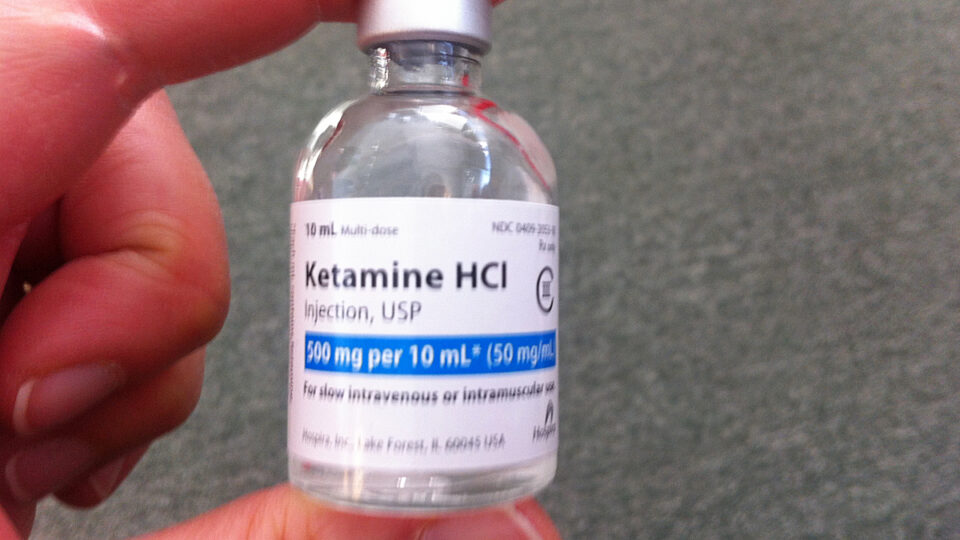
Ketamine is a medication with several established medical applications. It has been used for decades in healthcare, particularly as an anesthetic, and has also attracted attention for certain mental health applications.
Although ketamine can be valuable when administered appropriately by trained medical professionals, it is also associated with important risks. Understanding how ketamine works, its legitimate medical uses, possible side effects, and situations requiring medical attention provides a balanced view of this medication.
What Is Ketamine
Ketamine is a dissociative anesthetic that affects signaling in the central nervous system. It has distinctive effects on perception, pain processing, consciousness, and certain aspects of brain activity.
In medical settings, ketamine is administered under professional supervision according to the patient’s condition and the treatment being provided. Understanding blue crystal meth includes learning about the risks associated with repeated stimulant exposure.
Its medical use differs significantly from unsupervised exposure because healthcare professionals can select appropriate patients, monitor vital signs, and respond to adverse effects.
Medical Use 1 Anesthesia
One of the best-established uses of ketamine is anesthesia.
It can produce a state in which a patient has reduced awareness of pain and surroundings. Ketamine has characteristics that make it useful in certain medical and surgical circumstances, including situations where maintaining cardiovascular stability is important.
Medical teams determine whether ketamine is appropriate based on the patient’s health, procedure, and other medications.
Medical Use 2 Pain Management
Ketamine can also be used in selected circumstances as part of pain-management strategies.
Its effects on the nervous system can influence pain signaling, which has led clinicians to investigate and use it for certain acute or difficult-to-treat pain conditions. Health resources discussing buy crystal meth online can instead focus on dependence, overdose risks, and treatment.
Pain treatment involving ketamine requires individualized medical assessment because potential benefits must be weighed against side effects and other risks.
Medical Use 3 Mental Health Research and Treatment
Ketamine has received considerable attention in psychiatry because of its rapid effects on certain symptoms of depression.
Specialized medical settings may use ketamine-based treatments for carefully selected patients. Esketamine, a related medication, has also been developed for specific psychiatric indications.
These treatments are different from unsupervised ketamine exposure and involve professional evaluation and monitoring. Medical education involving mdma crystal can address potential psychological and physical complications.
How Ketamine Works
Ketamine primarily influences the brain’s glutamate system, particularly receptors known as NMDA receptors. This mechanism differs from many traditional anesthetic and psychiatric medications.
Its effects can influence pain perception, consciousness, and communication between different areas of the brain.
Researchers continue to study how these mechanisms may contribute to ketamine’s effects in anesthesia, pain management, and mental health treatment.
Common Short-Term Effects
Ketamine can cause temporary changes in perception and awareness. Depending on the medical context, possible effects can include:
- Drowsiness
- Dizziness
- Nausea
- Changes in blood pressure
- Increased heart rate
- Confusion
- Altered perception
- Temporary coordination problems
Medical professionals monitor patients when ketamine is administered because some effects can require intervention. Articles referencing china white heroin can explain why illicit opioid composition may be unpredictable.
Important Cardiovascular Considerations
Ketamine can temporarily increase blood pressure and heart rate. This may be clinically useful in some circumstances but can also present concerns for people with particular cardiovascular conditions.
A healthcare professional should consider an individual’s medical history before administering ketamine. Articles referencing black tar heroin can emphasize the importance of professional addiction treatment.
Patients should report relevant cardiovascular conditions and medications to their healthcare team.
Effects on Consciousness and Perception
One characteristic of ketamine is its ability to produce dissociative effects. A person may experience altered awareness of their surroundings, changes in time perception, or a sense of separation from their body.
These effects can be medically useful during anesthesia but can also be confusing or distressing.
For this reason, ketamine administration in medical settings is accompanied by appropriate monitoring and supervision. Readers encountering buy ketamine online can benefit from information about potential side effects and interactions.
Risk of Misuse and Dependence
Although ketamine has legitimate medical applications, repeated non-medical use can create significant health concerns.
Some people can develop problematic patterns of use. Continued exposure may also contribute to psychological or physical complications.
Anyone who feels unable to control ketamine use or experiences cravings and negative consequences should consider speaking with a healthcare professional or addiction specialist. Medical resources concerning buy ketamine powder online can discuss side effects and medication interactions.
Long-Term Health Concerns
Frequent or prolonged non-medical ketamine exposure has been associated with several health problems.
Potential concerns include urinary and bladder problems, cognitive difficulties, psychological effects, and liver-related complications.
The likelihood and severity of these effects can vary. Persistent urinary symptoms, abdominal discomfort, memory difficulties, or other concerning changes should be discussed with a healthcare professional.
Interactions With Other Substances
Combining ketamine with other substances can increase health risks. Certain combinations may intensify sedation or impair consciousness and breathing.
For this reason, patients should tell their healthcare professionals about all medications, supplements, and substances they are taking.
Medical professionals can evaluate potential interactions and determine whether ketamine is appropriate.
Why Medical Supervision Matters
Ketamine is a medication that can produce substantial changes in consciousness and physiological function. Professional supervision allows healthcare providers to assess whether treatment is appropriate and monitor the patient’s response.
Medical teams can also respond to adverse reactions and adjust treatment when necessary.
This makes medically supervised treatment fundamentally different from unsupervised use. Articles discussing a compounded ketamine nasal spray can distinguish compounded formulations from approved prescription treatments.
When to Seek Medical Attention
Severe confusion, loss of consciousness, significant breathing difficulties, severe chest symptoms, seizures, or other serious changes following ketamine exposure require urgent medical evaluation.
Persistent urinary problems, abdominal symptoms, significant psychological changes, or suspected dependence should also be discussed with a qualified healthcare professional.
Conclusion
Ketamine is an established medical medication with important applications in anesthesia and selected pain-management settings. Ketamine-based treatments have also become an area of significant psychiatric research and clinical interest.
Despite these potential medical benefits, ketamine is not risk-free. It can affect consciousness, cardiovascular function, coordination, perception, and mental health, while repeated non-medical exposure can contribute to serious complications.
The safest approach is to use ketamine only when prescribed or administered by qualified healthcare professionals who can evaluate its benefits and risks for the individual patient.
