

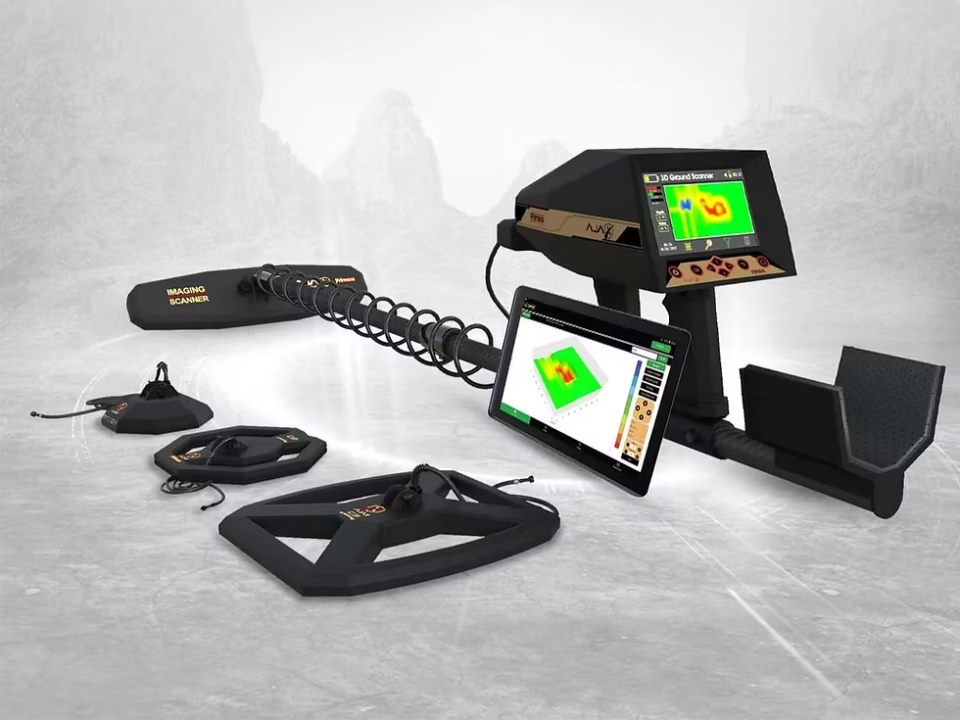
Choosing the right gold detector is one of the most important decisions you can make as a prospector. The right device will help you locate gold more efficiently, save time, and improve your chances of success in various terrains such as rivers, deserts, and rocky landscapes. However, with so many options available on the market, finding the perfect detector for your prospecting needs can be overwhelming.
This comprehensive guide will walk you through the essential factors to consider when picking the best gold detector, along with a detailed FAQ section to address common questions beginners and experienced prospectors often ask.
Understanding Gold Detectors
Gold detectors are specialized metal detectors designed to locate gold nuggets, flakes, and other gold particles hidden underground. Unlike general-purpose metal detectors, gold detectors are tuned to specific frequencies that make them more sensitive to gold, even in highly mineralized soils.
Choosing the right gold detector involves understanding your target areas, budget, skill level, and the features that will maximize your efficiency.
Key Factors to Consider When Picking a Gold Detector
Before purchasing a gold detector, evaluate these crucial aspects to ensure you get a machine that meets your prospecting goals.
1. Your Prospecting Location
Where you plan to search plays a big role in choosing a gold detector:
- Deserts and Dry Areas: Opt for detectors with pulse induction (PI) technology that can penetrate mineralized soils.
- Rivers, Lakes, and Beaches: Look for waterproof detectors with strong ground balance features.
- Rocky or Mountainous Terrain: Choose lightweight and portable models for easier maneuverability.
2. Detection Depth
If you aim to find larger gold nuggets buried deep underground, choose detectors with advanced coils and high detection depth. For surface-level gold or fine flakes, a detector with high sensitivity and a smaller coil may suffice. The best gold detector provides high precision and dependable results in all terrains.
3. Technology Type
- VLF (Very Low Frequency): Affordable and ideal for beginners detecting small gold near the surface.
- PI (Pulse Induction): Best for deep gold hunting in highly mineralized soils, but generally more expensive.
- Multi-Frequency: Offers the benefits of both VLF and PI, suitable for various terrains and types of gold.
4. Ground Balance Capability
A good gold detector should be able to handle mineralized soils by adjusting its ground balance automatically or manually. This feature reduces false signals and improves accuracy.
5. Sensitivity to Small Gold
High sensitivity is critical for detecting fine gold particles. Detectors with adjustable sensitivity levels can adapt to different soil conditions and gold sizes.
6. Weight and Portability
If you plan to prospect for long hours, choose a lightweight detector with an ergonomic design to prevent fatigue and ensure comfort during extended hunts.
7. Waterproof and Weatherproof Features
For riverbeds, beaches, or wet climates, waterproof detectors are essential. These models allow you to search underwater or in damp conditions without damaging the machine.
8. Ease of Use
Beginners should prioritize detectors with user-friendly controls, clear displays, and intuitive features. More advanced users can opt for devices with customizable settings and additional modes.
9. Battery Life
A long-lasting battery is important for extended trips, especially in remote areas. Consider models with rechargeable batteries or those that allow easy replacement.
10. Budget
Prices for gold detectors vary widely. While it’s tempting to go for the most advanced model, select one that aligns with both your prospecting goals and budget. A higher price usually means better depth and features, but beginners can start with affordable models.
FAQs: Picking the Best Gold Detector
Below are some frequently asked questions that can help you make a more informed decision.
Q1: What type of gold detector is best for beginners?
Beginners often benefit from VLF gold detectors because they are lightweight, affordable, and easy to use. They are ideal for surface-level gold and can help new users learn the basics of gold detecting.
Q2: Is a waterproof gold detector necessary for all prospectors?
Not necessarily. A waterproof gold detector is essential if you plan to search in wet areas like rivers, beaches, or shallow streams. For dry terrains such as deserts, a weather-resistant but non-waterproof detector may suffice.
Q3: How deep can gold detectors detect?
Detection depth depends on several factors, including the size of the gold nugget, soil mineralization, and the coil size of the detector. Entry-level models may detect gold up to 6–8 inches deep, while high-end PI detectors can locate larger nuggets several feet underground.
Q4: Does a higher price always mean a better gold detector?
Not always. A higher price often reflects advanced technology, greater depth, and added features. However, the best detector for you depends on your prospecting environment and experience level. Beginners may not need all the premium features offered by expensive models.
Q5: Can a regular metal detector be used for gold prospecting?
While regular metal detectors can sometimes find gold, they are not as effective because they lack the sensitivity required for detecting small gold particles, especially in mineralized soils. A specialized gold detector is always recommended for serious prospecting.
Q6: How important is ground balance in a gold detector?
Ground balance is crucial, especially in mineral-rich soils. Detectors with manual or automatic ground balance help reduce false signals and improve accuracy when searching for gold in challenging terrains.
Q7: What coil size should I choose for gold detecting?
- Large Coils: Better for deep gold hunting but less effective for small nuggets.
- Small Coils: Great for detecting fine gold near the surface but with limited depth.
Choosing a detector with interchangeable coils offers flexibility for different conditions.
Q8: What maintenance is required for a gold detector?
Regular maintenance includes cleaning the coil after each use, storing the machine in a dry place, checking the battery life, and keeping the control box protected from moisture and dust. Proper care extends the life of your detector.
Q9: Can I use a gold detector in all soil types?
Most modern gold detectors can adapt to various soil types if they have good ground balance and sensitivity adjustments. However, extremely mineralized soils or salty sands may require advanced PI or multi-frequency detectors.
Q10: Are there gold detectors designed specifically for desert exploration?
Yes. Pulse induction detectors are often preferred for desert environments because they perform better in mineralized soils and can detect gold buried deeper than standard VLF detectors.
Tips for Making the Best Choice
- Define your prospecting locations and needs before shopping.
- Compare different models and read reviews from other prospectors.
- Consider investing in a mid-range or advanced detector if you plan to search in difficult terrains or hunt for deeper gold.
- Take advantage of warranties and after-sales support from reputable brands.
Conclusion
Picking the best gold detector for your prospecting needs involves understanding your environment, skill level, and budget. Consider key factors such as technology type, sensitivity, ground balance, and waterproof capabilities to ensure you get the right machine for your goals.
By reviewing the FAQs and understanding the essential features of gold detectors, you can make a well-informed purchase that boosts your success rate and enhances your treasure-hunting adventures.
