

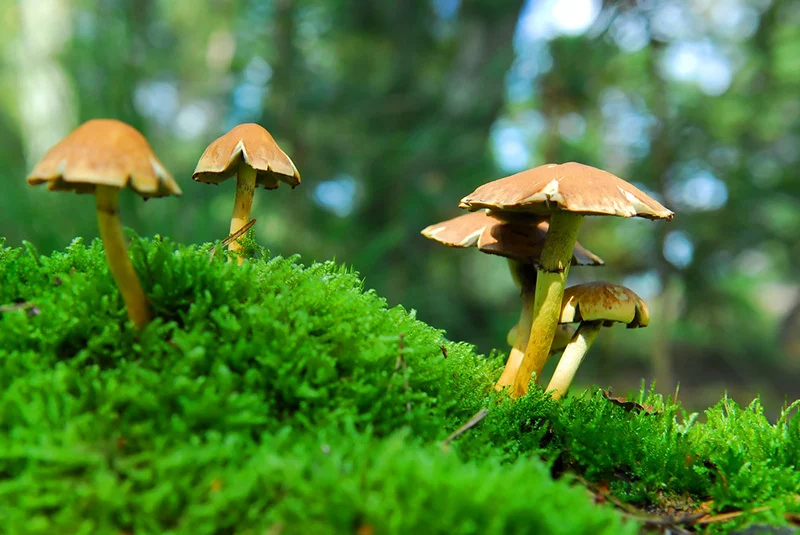
Magic mushroom gummies have become increasingly popular in discussions about functional foods and alternative supplements in Europe. While these products often reference psilocybin-containing mushrooms, understanding their formulation, composition, and consumption patterns is important from an educational and research perspective.
This article provides a detailed overview of how mushroom-based gummies are produced and used, with a focus on scientific, manufacturing, and consumer behavior aspects. A FAQ section addresses common questions for beginners and those interested in the subject from an academic or wellness standpoint.
Production Overview
Mushroom gummies are generally produced using extracts or compounds derived from fungi. These products are usually categorized into two types:
- Functional mushroom gummies: Containing non-psychoactive mushrooms such as lion’s mane, reishi, cordyceps, and chaga. These are widely sold across Europe as dietary supplements.
- Psychoactive or psilocybin-based gummies: Containing compounds associated with psilocybin. These are highly regulated and illegal in most European countries for general use.
The production process emphasizes consistency, safety, and standardization to ensure uniformity of dosage and quality.
Step 1: Extraction and Formulation
The first stage in making mushroom gummies involves processing the fungal material:
- Extraction: Active compounds, such as polysaccharides in functional mushrooms or psilocybin in regulated research contexts, are extracted using solvents, water, or other laboratory techniques.
- Purification: Extracts are filtered or refined to remove unwanted residues.
- Formulation: Extracts are blended with gummy bases, sweeteners, flavors, and stabilizers to produce a chewable product.
Scientific and industrial procedures prioritize accurate measurement of active components and adherence to safety standards.
Step 2: Gummy Production
Once formulated, the mixture is processed into gummies:
- Heating and mixing: Ingredients are combined under controlled temperatures to create a uniform mixture.
- Molding and shaping: The mixture is poured into molds to form the gummy shapes.
- Cooling and setting: Gummies are allowed to solidify and stabilize, which ensures consistency in texture and dosage.
Modern facilities follow food safety and hygiene protocols to maintain product integrity and prevent contamination. Detailed product information on the site helps you choose the right option when buying mushrooms gummies eu.
Step 3: Packaging and Quality Control
Quality control is critical to ensure product safety:
- Testing: Functional gummies are tested for mushroom extract concentration, microbial contamination, and stability.
- Labeling: Packaging includes ingredient lists, dosage information, and storage instructions.
- Storage: Gummies are stored in conditions that maintain freshness and prevent degradation of active compounds.
These measures align with European food supplement regulations and consumer safety standards.
Step 4: Consumption Patterns
Magic mushroom gummies are marketed as convenient alternatives to capsules, powders, and teas:
- Functional mushroom gummies: Consumers often use them for cognitive support, stress management, or general wellness.
- Dosage: Recommended serving sizes vary based on mushroom species and extract concentration.
- Integration: Gummies are frequently included in daily routines due to their portability, taste, and ease of use.
Consumption in research or medical contexts is strictly controlled, with doses carefully monitored under professional supervision.
Step 5: Regulatory Considerations
European regulations distinguish between functional mushroom products and psilocybin-containing products:
- Functional mushroom gummies are generally legal as food supplements.
- Psilocybin-containing gummies are controlled substances in most countries, and production or distribution without a license is prohibited.
- Compliance with local laws, food safety standards, and labeling regulations is essential for manufacturers.
Understanding these regulatory distinctions is critical for both consumers and researchers.
Frequently Asked Questions (FAQs)
What are magic mushroom gummies made from?
They are typically made from mushroom extracts combined with gummy bases, sweeteners, and flavoring agents. Functional mushroom gummies use non-psychoactive species, while psilocybin-based products are strictly regulated.
Are all mushroom gummies psychoactive?
No. Most gummies sold legally in Europe contain functional mushrooms, which do not produce psychoactive effects. Only psilocybin-containing products have psychoactive properties, and these are highly controlled.
How are dosage and safety determined?
Dosage depends on extract concentration, mushroom species, and intended use. Functional gummies follow food supplement guidelines, while psilocybin-based products require clinical or research supervision.
Can mushroom gummies be consumed daily?
Functional mushroom gummies are designed for daily use as dietary supplements. Their safety depends on adherence to recommended serving sizes and regulatory guidance.
Are there differences between gummy brands?
Yes. Factors such as mushroom species, extract concentration, flavor, and manufacturing quality can vary widely. Reliable brands provide lab-tested products with transparent labeling.
What are the benefits of functional mushroom gummies?
Potential benefits may include cognitive support, stress management, immune support, and general wellness. Research on these effects is ongoing, and outcomes vary by individual.
Are psilocybin-based gummies legal in Europe?
In most European countries, psilocybin-containing gummies are illegal for recreational use. Certain countries permit clinical or research use under strict licensing.
How should gummies be stored?
They should be kept in a cool, dry place, away from direct sunlight and moisture. Proper storage helps maintain stability and potency of mushroom extracts.
Where can I learn more about safe use?
Information from academic research, public health organizations, and licensed supplement providers is recommended for accurate, evidence-based guidance.
Conclusion
Magic mushroom gummies represent a convergence of modern food technology, natural supplements, and functional wellness trends. Understanding their production, composition, and consumption is valuable for educational, research, and consumer awareness purposes. While functional mushroom gummies are widely available in Europe, psilocybin-containing products remain highly regulated and require professional supervision in research or clinical contexts.
By focusing on formulation, quality control, regulatory compliance, and safe usage, individuals can better understand the role of mushroom-based gummies in wellness and scientific discussions.
